


We have been hearing a bit about how home loan rates have increased, or been increasing over the year. That is easy to believe, but it’s interesting when you look at the detail to see that the increase is not as large as expected.
The average advertised 2-year fixed rate across the big five banks is about 5.39% today, compared with about 5.07% at the end of March 2026. That’s an increase of roughly 0.32 percentage points.
These are the special or carded rates for borrowers with at least 20% equity so first home buyers might not be getting the same rates if they have a low equity margin added or some of the standard rather than special rates.
Home Loan Rates Have Increased (the facts)
In this table we show the 2-year fixed rates about 6-months ago (at the end of March) compared wit what they are today.
Compare the 2-Year Fixed Rates
| Bank | End of March 2026 | Today (23 Sep 2026) | Change |
|---|---|---|---|
| ANZ | 5.09% | 5.49% | +0.40 |
| ASB | 5.09% | 5.45% | +0.36 |
| BNZ | 4.89% | 5.35% | +0.46 |
| Kiwibank | 5.09% | 5.39% | +0.30 |
| Westpac | 5.19% | 5.29% | +0.10 |
| Average | 5.07% | 5.39% | +0.32 |
So the rates have not increased much – if you had listened to the media then you might think that home loan rates have increased a lot, but the numbers don’t show much of an increase at all. For an average first home buyer in New Zealand the mortgage is about $585,000 and so an increase of 0.32% means paying an extra $36 per week.
That does not mean that they won’t increase.
One of the issues that we have in New Zealand is we are a small country and our fixed home loans and given that we borrow money offshore it means that our interest rates are aligned to the Bond Market in the USA.
That’s a problem when the bond market is trending upwards – and it is.
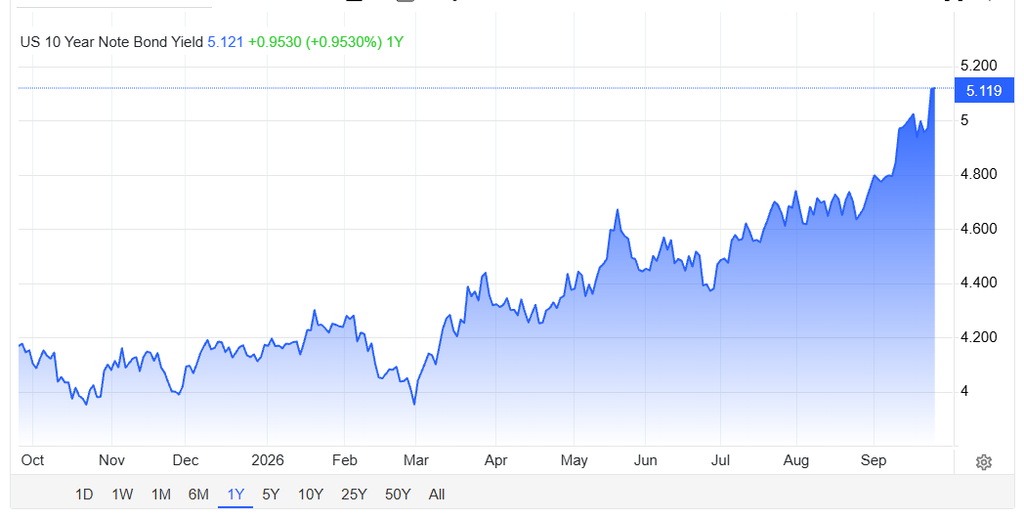
So we need to accept that we have little control over what the interest rates do. Home loan rates have increased a bit this year, and if anything as home owners we have been insulated from this increase as the property market has been quiet and so that has forced the banks to be more competitive than they might normally be.
What About The Size of Home Loans?
We have heard that house prices have dropped over the last few years, but $585,000 still seems like a pretty big mortgage for a first home buyer and so here at Kiwi Edition we thought we should check out what things look like too.
Firstly, the data that we could sources was from Canstar’s analysis of Reserve Bank data for January to April 2026 and so is a few months old now, but it gives these averages for new lending:
| Type of new lending | 2025 | 2026 (Jan–Apr) |
|---|---|---|
| All house purchases | $601,700 | $607,399 |
| First home buyers | $577,696 | $584,533 |
| Other owner-occupiers | $335,102 | $318,196 |
| Investors | $562,475 | $544,355 |
| Top-ups on existing loans | $103,510 | $101,413 |
Owner-occupiers who aren’t first home buyers often have much smaller loans because they’re usually moving up the ladder with equity from their previous home which they may have owned for quite some time.
You might wonder then why new loans have grown.
House prices have been fairly flat for the last few years. The REINZ’s national median is around $775,000 which is well down from the 2021 peak of $905,000 but of course house prices vary a lot depending on where you are buying.
However house prices do not always restrict what people are prepared to borrow and as interest rates fell over the past couple of years, people could borrow more, so the average new mortgage crept up.
What Does This All Tell Us?
Firstly, we know that as Kiwis we really have no control over what happens with interest rates. Even when you hear the politicians blaming each other or the media coming up with the “so called” causes on why home loan rates have increased, the reality is the interest rates are really not controlled by us.
What we can do however is make sure that:
- We have the best and most flexible home loan
- We structure the lending using fixed home loans
- We try our best to pay the mortgage off faster when we can
That might sound logical, but what we know is that over 80% of Kiwis with mortgages are with the wrong bank.

There are obviously reasons that people chose a bank to have their mortgage with, but as mortgage advisers we would suggest that most people do not know what makes one home loan better than another and so are never going to make an informed decision.
But we also know that it’s not the borrowers fault.
Too often Kiwis rely on the bank to give them advice, or they may have used a mortgage adviser that was probably an ex-banker. While that might seem okay the advice in New Zealand is typically pretty average. The banks and even most mortgage advisers will talk about some aspects of the mortgage, but statistics tell us that over 80% of Kiwis have ended up with the wrong home loan and most likely without knowing it.
Get Free Mortgage Advice – Forever!
If you have read this far in the article then you probably want to check that you are one of the 20% of Kiwis that has the right home loan (actually 18.4%) or you want to know how to join them.
The easiest way to check is by arranging a quick “free” call with one of the advisers at Mortgage Managers.
Mortgage Managers was established by Stuart Wills who has about 30-years experience in the mortgage scene, and not a single day working for a bank. One of the key decisions that he made was that they would never align themselves to a single bank, and that way they could always research and then recommend the best bank at any time.
Remember, home loan rates have increased and they most likely will increase a bit more over the next few months. That means it’s a good time to look at getting things fixed with the right bank, the best home loan and some competitive fixed rates. Getting the right home loan should be a priority.
It costs you nothing to have a chat and be assured that you have the best home loan, or to find out what it would take to refinance your home loan.
It’s that easy!